

Choosing the best woodworking lathe for your shop requires careful consideration of factors like budget, space availability, and desired features. This guide will help you navigate the options available and make an informed decision that suits your needs.
Whether you’re a beginner or an experienced woodworker, finding the right lathe is essential for turning wood into beautiful and functional pieces. From mini lathes for small projects to larger ones for heavy-duty work, there is a lathe out there for every woodworking enthusiast.
By understanding your requirements and researching the different models available, you can find the best woodworking lathe that will elevate your craftsmanship to the next level.
Types Of Woodworking Lathes
Woodworking lathes come in various types, making it important to choose the best one for your shop. By considering factors such as size, motor power, and spindle capacity, you can find a lathe that suits your woodworking needs and enhances your craft.
When it comes to woodworking, one essential tool every craftsman needs is a woodworking lathe. A lathe allows you to shape and create intricate designs on pieces of wood, making it a must-have tool for any woodworking shop. However, with so many options available in the market, choosing the best woodworking lathe for your shop can be overwhelming. To help you make an informed decision, let’s explore the three main types of woodworking lathes: benchtop lathes, floor lathes, and mini lathes.
Benchtop Lathes
Benchtop lathes are compact and portable machines that sit on top of a workbench or table. They are perfect for small woodworking shops or for those who have limited space. These lathes offer a great balance between power and portability, allowing you to accomplish a wide range of woodworking projects. Despite their smaller size, benchtop lathes are still capable of handling larger workpieces with the right accessories and attachments.
These lathes typically have a motor ranging from 1/3 to 2 horsepower, providing enough power for most woodworking tasks. They also come with variable speed controls, allowing you to adjust the rotation speed according to the type of wood and the desired outcome. Benchtop lathes are often favored by hobbyists and beginners due to their affordability and ease of use. They are a versatile option that can handle both spindle turning and faceplate turning projects.
Floor Lathes
Floor lathes, as the name suggests, are larger and more robust lathes that stand on the floor. These lathes are ideal for professional woodworkers or those who work on larger projects. With a floor lathe, you have the ability to work on bulky and heavy workpieces, making them suitable for turning large bowls, furniture legs, and other sizeable items.
One of the key advantages of floor lathes is their increased power and capacity. They are equipped with motors ranging from 1 to 3 horsepower or even higher, enabling you to tackle demanding projects with ease. Floor lathes also offer a greater swing capacity, which refers to the maximum diameter of the workpiece that can be turned. This allows you to work on larger pieces of wood without any limitations.
Mini Lathes
Mini lathes, on the other hand, are compact versions of the traditional benchtop or floor lathes. These lathes are designed for small-scale woodworking projects like crafting pens, jewelry, and other intricate items. Mini lathes are often favored by woodturning enthusiasts and those who enjoy the finer details of woodworking.
Despite their small size, mini lathes are equipped with motors ranging from 1/4 to 1 horsepower, providing ample power for delicate projects. They offer variable speed controls and precise control over the turning process, allowing you to create intricate designs with ease. Mini lathes are lightweight and portable, making them a great option for those who like to take their woodworking projects on the go.
Now that we’ve explored the three main types of woodworking lathes, you can better understand which one suits your specific needs. Consider the size of your projects, the available space in your shop, and your level of woodworking expertise. By selecting the right woodworking lathe, you can enhance your woodworking abilities and unleash your creativity onto pieces of wood.
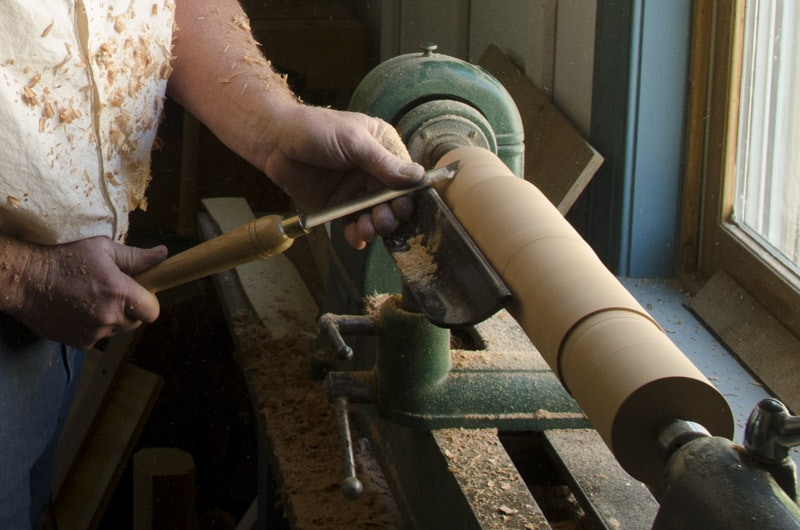
Credit: woodandshop.com
Key Factors To Consider
Choosing the best woodworking lathe for your shop is a crucial decision that can greatly impact the quality of your work and the efficiency of your woodworking projects. Several key factors need to be considered to ensure you make the right choice. From size and weight to construction and durability, each factor plays a vital role in determining the performance and versatility of the lathe. In this article, we will explore these key factors in detail, helping you make an informed decision.
Size And Weight
When it comes to woodworking lathes, size and weight are important considerations. The lathe size you choose should ideally fit the available space in your workshop without compromising on functionality. Additionally, considering the weight is crucial, especially if you plan on moving the lathe frequently. A lightweight lathe can be more convenient for transportation, while a heavier one may provide better stability during operation.
Horsepower
The horsepower of a lathe is a significant factor that affects its performance. Higher horsepower allows the lathe to handle larger and more demanding projects with ease. However, it’s important to find the right balance, as excessive horsepower can lead to overpowered tools for smaller projects, resulting in unnecessary wear and tear. A 1-2 horsepower lathe is often suitable for most woodworking needs.
Speed Settings
The speed settings of a woodworking lathe are vital for achieving different finishes and working with various wood species. Look for a lathe with multiple speed options, allowing you to adjust the speed to match the requirements of different woodturning operations. Variable speed control provides versatility and ensures you have the flexibility to work on delicate projects that require lower speeds or on larger projects that need higher speeds.
Swing Capacity
The swing capacity of a lathe refers to the maximum diameter of the workpiece it can accommodate. It’s crucial to choose a lathe with a swing capacity large enough to handle your desired projects comfortably. Consider the type of woodworking you plan to engage in and ensure the lathe’s swing capacity aligns with your needs. Remember, a larger swing capacity allows you to work on larger projects and provides more versatility in your woodworking ventures.
Bed Length
The bed length of a lathe determines the maximum length of the workpiece it can accommodate. It’s important to select a lathe with a bed length that can comfortably handle the length of the projects you intend to work on. Keep in mind that longer bed lengths allow for turning longer spindles and bowls, giving you greater flexibility in your woodworking projects.
Construction And Durability
The construction and durability of a woodworking lathe are essential factors to consider. Look for a lathe made from sturdy materials, such as cast iron, that can withstand the pressures and vibrations of woodturning. A durable lathe will last longer and provide more reliable performance, saving you time and money on repairs or replacements. Additionally, pay attention to the overall build quality, stability, and precision of the lathe to ensure it meets your woodworking demands.
Features To Look For
When it comes to choosing the best woodworking lathe for your shop, it’s essential to consider the features that will enhance your woodworking experience. By carefully evaluating the available options, you can find a lathe that meets your needs and allows you to create stunning woodturning projects. In this article, we will explore the key features to look for in a woodworking lathe, including variable speed control, electronic speed adjustment, digital readout, spindle lock, tool rest, and tailstock. Let’s dive in!
Variable Speed Control
One of the most crucial features to consider when selecting a woodworking lathe is variable speed control. This capability allows you to adjust the rotation speed of the lathe’s spindle, giving you greater control over the turnings. Whether you’re working on small intricate designs or larger projects, having the ability to vary the speed will help you achieve the desired results. Look for a lathe that offers a wide speed range and smooth speed transitions to handle a variety of turning tasks.
Electronic Speed Adjustment
A woodworking lathe with electronic speed adjustment provides a convenient and precise way to control the spindle’s speed. Instead of manually adjusting belts or pulleys, this feature allows you to change the speed settings with the push of a button or a turn of a dial. This not only saves time but also ensures that you can make quick adjustments while working on your project. Consider a lathe with electronic speed adjustment for its ease of use and efficiency.
Digital Readout
Having a digital readout on your lathe can be extremely advantageous, especially for those who crave accuracy and precision in their woodworking. A digital readout displays the current spindle speed, allowing you to monitor and adjust it with accuracy. This feature eliminates the need to estimate or rely on guesswork, ensuring consistent results in your woodturning projects. Look for a lathe with a clear and easy-to-read digital readout for enhanced precision.
Spindle Lock
A spindle lock is a practical feature that allows you to secure the lathe’s spindle in place, making it easier to change accessories such as chucks, faceplates, or drive centers. By engaging the spindle lock, you can safely and swiftly switch out tools without worrying about the spindle rotating accidentally. When evaluating lathes, check for a robust and reliable spindle lock mechanism that ensures stability and ease of use.
Tool Rest
The tool rest is another critical component to consider when choosing a woodworking lathe. It provides support and stability for your turning tools while you shape and carve the wood. Look for a lathe with a sturdy and adjustable tool rest that allows you to position it at different angles and heights. This feature will provide flexibility and help you achieve precise cuts and smooth finishes in your woodturning projects.
Tailstock
The tailstock of a woodworking lathe plays an important role in supporting the other end of the workpiece, ensuring stability and precision during turning. Make sure to choose a lathe with a robust and adjustable tailstock that offers secure locking mechanisms. Look for a tailstock with a hollow quill design, allowing you to insert various accessories such as drill bits or live centers, enabling you to perform additional operations on your woodturnings with ease.
Faceplate
A faceplate is a versatile accessory that allows you to mount irregularly shaped workpieces on your lathe. It provides a secure anchoring point, enabling you to turn bowls, platters, or other non-cylindrical objects. When selecting a woodworking lathe, ensure it comes with a faceplate that matches your project needs. Look for a faceplate with multiple mounting screw holes and a durable construction for added stability and safety.
Popular Woodworking Lathe Brands
When it comes to choosing the best woodworking lathe for your shop, it’s important to consider the reputation and reliability of the brand. Popular woodworking lathe brands have a proven track record of delivering high-quality machines that are built to last.
Jet
Jet is a well-known brand among woodworking enthusiasts. With a wide range of lathe models to choose from, Jet offers options for both small home workshops and large-scale production facilities. Their lathes are known for their durability, precision, and ease of use.
Nova
Nova is another popular woodworking lathe brand that is highly regarded in the industry. Their lathes are known for their innovative design features and superior performance. Nova lathes are built with a focus on versatility, allowing woodworkers to tackle a wide range of projects with ease.
Delta
Delta has been a trusted name in woodworking for decades, and their lathes are no exception. Delta lathes are known for their robust construction and smooth operation. Whether you’re a beginner or an experienced woodworker, Delta offers a range of models to suit your needs.
Powermatic
Powermatic is a brand that is synonymous with quality and precision. Their lathes are built to the highest standards, using the finest materials and cutting-edge technology. Powermatic lathes offer a smooth and controlled turning experience, making them a favorite among woodworking professionals.
Rikon
Rikon is a brand that has gained a loyal following in the woodworking community. Known for their affordable yet reliable lathes, Rikon offers a range of models that cater to both beginners and experienced woodworkers. Rikon lathes are known for their user-friendly features and sturdy construction.
Choosing a woodworking lathe from a trusted and well-established brand is essential for ensuring the quality and performance of your machine. Brands like Jet, Nova, Delta, Powermatic, and Rikon have earned their reputation in the industry by consistently delivering top-notch products that meet the needs of woodworking enthusiasts. Consider factors such as budget, project requirements, and user reviews to make the best decision for your shop.
Woodworking Lathe Safety
Woodworking lathes are powerful and versatile tools that allow craftsmen to shape and create beautiful wood pieces. However, it’s important to prioritize safety when using a woodworking lathe. By following proper safety measures, you can prevent accidents and ensure a smooth and enjoyable woodworking experience. In this article, we will discuss essential safety precautions to take while using a woodworking lathe. Let’s delve into the details.
Wear Appropriate Safety Gear
When operating a woodworking lathe, wearing the right safety gear is imperative.
- Wear safety goggles or a face shield to protect your eyes from flying debris.
- Use ear protection, such as earmuffs or earplugs, to shield your hearing from the loud noise generated by the lathe.
- Wear a snug-fitting dust mask or respirator to avoid inhaling wood particles and dust.
- Ensure you have proper attire, such as short sleeves, tied-back hair, and remove any loose jewelry or accessories that could become entangled.
Keep Work Area Clean And Free Of Debris
A cluttered work area can lead to accidents and compromise your safety. To maintain a safe environment:
- Regularly clean the work area, removing any wood chips, shavings, or debris that could obstruct your movement or cause you to slip.
- Organize your tools and accessories in a designated area, making them easily accessible and preventing any potential hazards.
- Ensure the lathe itself is clean and free of dust or debris that could affect its performance or your safety.
Position The Lathe Properly
Proper positioning of the woodworking lathe is vital to ensure safety and optimal operation. Consider the following:
- Place the lathe on a sturdy and level workbench or stand, providing a stable base.
- Position the lathe in a way that allows ample space for maneuvering and feeding wood stock without obstruction.
- Ensure the lathe is situated away from walls or other equipment, allowing for proper ventilation and preventing any potential hazards.
Follow Safe Operating Procedures
To prevent accidents and enhance safety, it is crucial to follow safe operating procedures when using a woodworking lathe:
- Read and understand the lathe’s user manual, familiarizing yourself with the specific safety instructions and guidelines provided by the manufacturer.
- Securely fasten the workpiece to the lathe using appropriate attachments, such as a faceplate or chuck, to minimize the risk of the wood shifting or being forcefully ejected during operation.
- Ensure you understand and utilize the correct cutting techniques, tool positioning, and feed direction to maintain control and avoid potential hazards.
- Take regular breaks to rest and avoid fatigue, as tiredness can lead to lapses in concentration and compromised safety.
Use The Correct Tools And Accessories
Using the proper tools and accessories is crucial for both safety and achieving quality results. Consider the following:
- Use sharp turning tools and ensure they are properly sharpened to minimize the risk of the tool slipping or catching on the wood.
- Avoid using damaged or faulty tools, as they can compromise both your safety and the overall quality of your woodworking.
- Use appropriate tool rests and supports to maintain stability and control during the turning process.
Inspect And Maintain The Lathe Regularly
Regular inspection and maintenance of your woodworking lathe are essential to ensure its longevity and safe operation:
- Periodically inspect the lathe for any loose or damaged parts, such as belts, fasteners, or electrical connections.
- Regularly lubricate moving parts as per the manufacturer’s recommendations to maintain smooth operation and prevent unnecessary wear and tear.
- Keep the lathe’s motor and electrical components clean and free of dust or debris.
Remember, prioritizing safety is crucial when using a woodworking lathe. By adhering to these safety measures, you can enjoy a rewarding and secure woodworking experience.
Setting Up Your Woodworking Lathe
As you venture into the craft of woodworking, investing in a high-quality woodworking lathe is essential for turning and carving wood pieces to perfection. However, choosing the best woodworking lathe for your shop is only the beginning; properly setting it up is equally important. This section will guide you through the necessary steps to configure your lathe, ensuring optimal performance and safety in your woodworking projects.
Secure The Lathe To A Sturdy Workbench
The first step in setting up your woodworking lathe is to secure it to a sturdy workbench. This ensures stability and prevents any potential accidents or wobbles during operation. Locate the most suitable position on your workbench and bolt the lathe securely using appropriate fasteners. Make sure the lathe is level and secure, providing a solid foundation for your woodworking endeavors.
Assemble Necessary Tools And Accessories
To streamline your woodworking experience, gather all the essential tools and accessories required for lathe operation. The following list highlights some of the necessary items:
| Tools | Accessories |
|
|
Mount Workpieces Securely
Before you begin turning, it’s crucial to mount your workpieces firmly on the lathe. Depending on the size and shape of your project, you may use a faceplate or a chuck. Ensure the workpiece is centered and securely attached, as this will significantly reduce any vibration or slippage during operation. Always follow manufacturer instructions for proper mounting techniques.
Adjust Tool Rest And Tailstock
With the workpiece in place, adjust the tool rest to the appropriate height and position. The tool rest should be parallel to the workpiece and close enough to provide stability while allowing you to work comfortably. Additionally, adjust the tailstock to support longer workpieces, ensuring the live center aligns with the center mark on the wood. Secure the tailstock in place to prevent any movement during turning.
Test The Lathe’s Operation
Once you have completed the setup, it’s essential to test the lathe’s operation before diving into your woodworking projects. Turn on the lathe, starting with the lowest speed setting, and gradually increase it to observe how the lathe handles different RPMs. Take note of any unusual vibrations or noises that may require adjustments or maintenance. Familiarize yourself with the lathe’s controls and make any necessary fine-tuning to optimize its performance.
By following these steps to set up your woodworking lathe correctly, you establish a solid foundation for your woodworking projects. Remember to prioritize safety throughout the process, using the appropriate protective gear and adhering to manufacturer guidelines. Now, you’re ready to unleash your creativity and embark on exciting woodworking adventures!
Woodworking Lathe Techniques
Discover the essential woodworking lathe techniques by choosing the best woodworking lathe for your shop. Elevate your woodworking projects with precision and efficiency.
Spindle Turning
Spindle turning is one of the most common woodworking lathe techniques. It involves shaping wood on the lathe by turning it against a fixed cutting tool. This technique is used to create spindle-shaped objects such as table legs, chair spindles, and stair balusters. The process requires precision and careful attention to detail. With proper technique, you can achieve smooth and symmetrical results. Spindle turning is a versatile technique that can be used to create both functional and decorative items.
Bowl Turning
Bowl turning is a technique used to create intricately shaped wooden bowls. It involves mounting a block of wood on the lathe and using cutting tools to hollow out the interior and shape the exterior of the bowl. Bowl turning requires a different set of skills compared to spindle turning, as the wood must be secured properly and the tool movement needs to be carefully controlled. The bowl turning technique allows woodworkers to showcase their creativity and craftsmanship by creating unique and functional bowls.
Pen Turning
Pen turning is a popular woodworking lathe technique that allows woodworkers to create custom pens. It involves using a pen blank, which is a small block of wood or acrylic, and turning it on the lathe to shape it into a pen. Pen turning requires precision and attention to detail, as the pen must have smooth surfaces and a comfortable grip. This technique is a favorite among woodworkers who enjoy making personalized and unique writing instruments.
Faceplate Turning
Faceplate turning is a technique used to turn irregularly shaped objects on a woodworking lathe. It involves attaching the workpiece to the faceplate of the lathe and using cutting tools to shape it. Faceplate turning allows woodworkers to create bowls, platters, and other non-spindle shaped items. This technique requires careful planning and consideration of the grain direction to minimize tear-out and achieve desired results.
Threaded Turning
Threaded turning is a specialized woodworking lathe technique that allows woodworkers to create threaded items such as knobs, spindles, and decorative finials. It involves cutting threads into the wood using special threading tools and jigs. Threaded turning requires patience and precision, as the threads need to be cut accurately to ensure a tight fit. This technique adds a unique and decorative element to woodworking projects. In conclusion, woodworking lathe techniques such as spindle turning, bowl turning, pen turning, faceplate turning, and threaded turning offer a wide range of possibilities for woodworkers. Each technique requires different skills and tools, but they all provide opportunities for creativity and craftsmanship. Whether you are a beginner or an experienced woodworker, learning and mastering these techniques can enhance your woodworking skills and enable you to create beautiful and functional wooden pieces.

Credit: www.pinterest.com
Common Woodworking Lathe Problems And Solutions
When it comes to woodworking lathes, even the best machines can encounter problems that can impact the quality and efficiency of your work. But fret not! In this section, we will explore common woodworking lathe problems and provide practical solutions to help you overcome these issues. By understanding the possible challenges and having the right solutions at hand, you can save time, enhance your productivity, and achieve satisfying results. Let’s dive into the most prevalent issues that woodworkers often face when using a lathe.
Vibration Issues
One of the most frustrating problems you may encounter when using a woodworking lathe is excessive vibration. This issue can not only affect the quality of your turning projects but also pose safety risks. Here are a few potential causes of vibration problems and their corresponding solutions:
- Unbalanced Wood Blank: If you notice uneven vibrations while turning, it may be due to an unbalanced wood blank. To mitigate this issue, invest in a quality wood lathe with a robust sizling capacity that supports large chunks of wood. Ensure that your wood blanks are centered and balanced before starting the lathe.
- Improper Setup: Another common cause of vibrations is an incorrect lathe setup. Ensure that your lathe is securely anchored to a stable workbench or stand. Additionally, make sure all components, such as the tool rest and tailstock, are tightened properly and aligned correctly.
- Worn or Damaged Motor Belt: If your lathe is equipped with a belt-driven system, a worn or damaged motor belt may be the culprit. Inspect the belt regularly and replace it as needed to maintain optimal performance.
Inconsistent Speed
Inconsistent speed control can be another hassle when working on a woodworking lathe. Having the ability to maintain a consistent speed is crucial for achieving smooth and precise turning results. Here are a few tips to address this issue:
- Check the Speed Settings: Ensure that the speed settings on your lathe are set correctly. Refer to the lathe’s manual and familiarize yourself with its speed control mechanisms.
- Belt Tension: A loose or worn-out drive belt may lead to speed inconsistencies. Make sure the drive belt is properly tensioned, and consider replacing it if necessary.
- Motor Issues: If the speed fluctuations persist, it’s worth examining the motor. A malfunctioning motor may result in inconsistent speed. Consult a professional if you suspect motor problems.
Chattering Or Snatching
Chattering or snatching occurs when the wood lathe cuts into the stock unevenly, resulting in a rough and jagged surface. This issue can be frustrating and create difficulties in achieving clean and smooth finishes. Here are some common causes and remedies for chattering or snatching:
- Dull or Incorrect Tools: Ensure that you are using sharp and appropriate lathe tools for your turning project. Dull tools tend to catch and snatch, leading to chattering. Sharpen or replace your tools as needed.
- Incorrect Tool Rest Position: The tool rest should be positioned close to the workpiece without touching it. If the tool rest is set incorrectly, it can cause chattering. Adjust the tool rest to the optimal position for smooth and precise cutting.
- Inconsistent Lathe Speed: As mentioned earlier, inconsistent speed can cause various issues, including chattering. Review the speed control settings and adjust them accordingly to minimize chattering or snatching.
Tool Catching
Tool catching is a frustrating problem that occurs when the lathe tool gets caught or jammed while cutting, leading to rough and imperfect results. Addressing this issue requires attention to the following aspects:
- Tool Height and Position: Ensure that your tools are at the proper height and position in relation to the workpiece. A mismatched tool height can cause the tool to catch or dig into the wood. Make adjustments to the tool rest or tool handle to optimize cutting.
- Proper Technique: Using the correct cutting technique can minimize tool catching. Avoid aggressive or jerky movements and instead opt for smooth and controlled motions. With practice, you will develop a technique that reduces the chances of tool catching.
- Tool Sharpness: Dull tools are more likely to catch or snag while cutting. Regularly sharpen your lathe tools to maintain their cutting efficiency and reduce the risk of tool catching.
Inaccurate Turning
Lastly, inaccurate turning is a problem that can lead to imperfect shapes or dimensions in your turned projects. To achieve precise and consistent results, consider the following solutions:
- Alignment: Confirm that all components of your lathe, including the headstock, tailstock, and tool rest, are properly aligned. Misalignment can cause deviations in turning accuracy.
- Measurement and Marking: Make accurate measurements and clearly mark the desired dimensions on your workpiece before turning. This will help you guide your cuts and achieve the desired results.
- Practice and Skill Development: Turning takes practice and patience. Invest time in honing your turning skills, and with experience, you will be able to produce more accurate and consistent turned pieces.
By addressing and troubleshooting these common woodworking lathe problems, you can ensure a smoother and more enjoyable turning experience. Armed with the knowledge shared above, you’ll be well-prepared to tackle challenges and produce outstanding woodworking projects with your lathe. So, let’s get back to the workshop and let your creativity flow!
Maintenance And Care
For optimal performance and longevity, proper maintenance and care are essential when selecting the best woodworking lathe for your shop. Regular cleaning, lubrication, and inspection can help ensure smooth operation and extend the lifespan of your lathe, allowing you to create beautiful pieces for years to come.
Maintenance and Care are essential aspects of owning a woodworking lathe. Regularly maintaining and caring for your lathe will not only extend its lifespan but also ensure optimal performance. In this section, we will explore several key areas to focus on when it comes to the maintenance and care of your woodworking lathe.
Cleaning And Dusting
Effective cleaning and dusting practices are crucial for a woodworking lathe’s upkeep. Woodworking can generate a significant amount of dust, which can accumulate on various parts of the lathe over time. Regular cleaning removes this dust, preventing potential damage and improving the overall functionality of the lathe. To clean your woodworking lathe, start by unplugging it from the power source. Using a soft brush or cloth, carefully remove any dust from the lathe’s surfaces. Pay particular attention to the headstock, tailstock, and tool rest. You can also use compressed air or a vacuum cleaner to remove dust from hard-to-reach areas.
Lubrication
Proper lubrication plays a crucial role in maintaining the smooth operation of your woodworking lathe. Lubricating the moving parts not only reduces friction but also prevents excessive wear and tear. It is recommended to refer to the lathe’s instruction manual for specific lubrication points and recommendations. Common lubrication points include the spindle, bearings, and gears. Depending on the type of lathe, you may need to use different lubricants such as oil or grease. Apply the lubricant as instructed, ensuring a thin and even coat for optimal performance. Regularly inspect and reapply lubrication to keep your lathe running smoothly.
Belt And Motor Care
The belts and motor are integral parts of a woodworking lathe and require regular care to maintain their functionality. A loose or worn-out belt can lead to inefficient power transmission, resulting in reduced performance. Similarly, a well-maintained motor ensures consistent power output for precise woodworking. Inspect the belts regularly for signs of wear and tightness. If the belt is loose, tighten it according to the manufacturer’s instructions. When inspecting the motor, check for any loose connections, unusual noises, or overheating. If you notice any issues, consult a professional or the lathe’s manufacturer for proper maintenance or repairs.
Sharpening And Replacing Tools
Sharp tools are essential for achieving precise cuts and reducing strain on your woodworking lathe. Regularly sharpening and replacing tools is necessary to ensure optimal performance and safety. Dull tools can lead to rough surfaces, inaccurate cuts, and potential accidents. To sharpen your lathe tools, use a sharpening stone or a dedicated sharpening system. Follow the manufacturer’s instructions and maintain the correct sharpening angle for each tool. If a tool becomes damaged or worn beyond repair, replace it promptly to avoid any compromise in your woodworking results.
Inspecting For Wear And Damage
Regularly inspecting your woodworking lathe for signs of wear and damage is crucial for identifying potential issues early on. This allows you to take prompt action and prevent further damage or more significant problems down the line. During your inspections, pay attention to the bed, spindle, tool rest, and other key components. Look for any cracks, excessive wear, or misalignment. If you notice any issues, consult the manufacturer or a professional for guidance on maintenance or repairs. By following these maintenance and care practices, you can ensure your woodworking lathe remains in optimal condition, providing you with reliable performance and excellent woodworking results for years to come. Remember, preventive care is always better than reactive repairs.
Accessories And Add-ons
When it comes to woodworking lathes, having the right accessories and add-ons can greatly enhance your woodworking experience. These additional tools not only allow you to expand the capabilities of your lathe but also improve the precision and ease of your woodworking projects. In this article, we will explore some essential accessories and add-ons that can take your woodworking to the next level.
Chucks And Faceplates
Chucks and faceplates are vital attachments for any woodturner. These tools allow you to securely hold and rotate your workpiece while you shape and carve it. Chucks come in various sizes and configurations, allowing you to choose the one that best fits your needs. Faceplates, on the other hand, are useful for holding irregularly-shaped or unfinished workpieces that may not fit in a chuck.
With the right chuck or faceplate, you can confidently tackle a wide range of woodworking projects, from small bowls and vases to large table legs and spindles. These accessories provide a strong and stable grip on your workpiece, ensuring precision and safety throughout the turning process.
Steady Rest
If you often work with long and slender workpieces, a steady rest is a must-have accessory. A steady rest helps support and stabilize the workpiece, preventing it from vibrating or wobbling during turning. This is particularly important when turning thin spindle-shaped objects, such as chair legs or candlesticks.
A steady rest consists of three or more adjustable arms that can be positioned around the workpiece, providing support from multiple angles. By minimizing vibrations and reducing the risk of deflection, a steady rest allows you to achieve smoother and more accurate turnings.
Live Center
A live center is another essential accessory that aids in safe and efficient woodturning. This attachment is used in conjunction with the tailstock of the lathe and helps support the workpiece while it rotates. Unlike a dead center that remains stationary, a live center incorporates bearings that allow it to rotate with the workpiece, reducing friction and enabling more fluid movement.
The live center is especially useful when turning delicate or hollow workpieces, as it minimizes the risk of splitting or damaging the wood. It provides additional support and stability, allowing you to shape and carve with confidence, knowing that your workpiece is well-supported at all times.
Tool Rest Extensions
Tool rest extensions are handy attachments that provide extra support and flexibility when using various turning tools. These extensions are designed to be easily attached to the existing tool rest, allowing you to extend its length or angle to accommodate different workpiece sizes and shapes.
By utilizing tool rest extensions, you can position your cutting tools at the optimal height and angle, allowing for precise and controlled cuts. This ensures better control and reduces the likelihood of unwanted catches or mishaps during the turning process. With tool rest extensions, you can confidently tackle intricate details and complex designs, knowing that your tools are properly supported and aligned.
Drill Chuck Attachment
If you frequently work with wooden projects that require drilling, a drill chuck attachment can be a valuable addition to your lathe. This attachment allows you to use your lathe as a drilling machine, eliminating the need for a separate drill press in your workshop.
The drill chuck attachment securely holds drill bits of various sizes, enabling you to drill accurately aligned holes in your workpiece. This enhances the versatility of your lathe and saves you time and effort by eliminating the need to switch between different machines for drilling and turning.
Investing in the right accessories and add-ons for your woodworking lathe can greatly expand your capabilities and improve the quality of your projects. Chucks and faceplates provide secure and stable workpiece holding, while a steady rest and live center offer stability and support during turning. Tool rest extensions enhance flexibility, and a drill chuck attachment allows for convenient drilling directly on the lathe. With these essential accessories, you can take your woodworking to new heights and achieve professional-level results.
Woodworking Lathe Projects For Beginners
Woodworking lathe projects are a great way for beginners to learn and explore the art of woodworking. With a woodworking lathe, you can turn pieces of wood into beautiful and functional objects. Whether you’re interested in creating decorative items or practical tools, there are plenty of projects that are perfect for beginners. In this article, we’ll explore a few popular woodworking lathe projects for beginners, including turned spindle candle holders, wooden bowls, wooden pens, salt and pepper shakers, and tool handles.
Turned Spindle Candle Holders
If you’re just starting out with woodworking lathe projects, turned spindle candle holders are a great place to begin. They’re relatively simple to make and require only a few basic tools. To create a turned spindle candle holder, you’ll need a piece of wood that is long enough to accommodate the size of candle you want to use. Begin by mounting the wood on the lathe and shaping it into a spindle using a roughing gouge. Once the spindle is shaped, you can add decorative details such as flutes or beads with other specialized lathe tools. Finally, sand and finish the candle holder to your desired smoothness and apply a protective coat of finish.
Wooden Bowl
A wooden bowl is another excellent project for beginners to try their hand at on a woodworking lathe. To make a wooden bowl, start with a block of wood that is large enough to accommodate the size of bowl you want to create. Mount the wood on the lathe and use a roughing gouge to shape the outside of the bowl. Gradually remove excess material and refine the shape until you achieve the desired size and form. Be sure to leave enough material to create the depth and thickness of the bowl. Once the outer shape is complete, remove the bowl from the lathe and reverse it to hollow out the interior using a bowl gouge. Finish by sanding and applying a protective finish to bring out the natural beauty of the wood.
Wooden Pen
Creating a wooden pen is a rewarding project that can be completed relatively quickly. To make a wooden pen, you’ll need a pen turning kit that includes the necessary hardware and a pen blank, which is a small piece of wood or acrylic. Begin by securing the pen blank in the lathe and using a roughing gouge to shape the overall profile of the pen. Once the shape is established, refine the details using specialized tools like skew chisels or detail gouges. Finish by sanding the wood smooth and applying a protective finish. With a variety of pen kits available, you can choose different styles and finishes to create unique and personalized pens.
Salt And Pepper Shakers
Salt and pepper shakers make charming and practical projects for beginners to tackle on a woodworking lathe. To create salt and pepper shakers, you’ll need two small pieces of wood, each slightly larger than the desired size of the shakers. Mount one piece on the lathe and using a spindle gouge, shape the exterior of the shaker. Once the desired shape is achieved, remove it from the lathe and hollow it out to create the cavity for salt or pepper. Follow the same procedure for the second piece. Once both pieces are hollowed out, sand and finish them to your desired smoothness and apply protective coatings. Finally, attach the appropriate lids or caps to complete the shakers.
Tool Handles
Creating tool handles is a practical project that allows beginners to improve their woodworking skills while making something useful. Tool handles can be customized to fit your specific tools and preferences. To make a tool handle, start with a piece of wood that is long enough and thick enough to provide a comfortable grip. Mount the wood on the lathe and shape it into your desired handle profile using roughing gouges and spindle gouges. It’s important to create a shape that allows for a secure and ergonomic grip. Once the shape is complete, smooth the handle by sanding and finish it with protective coatings. With a well-crafted tool handle, you’ll not only enhance the functionality of your tools but also enjoy the satisfaction of creating something with your own hands.
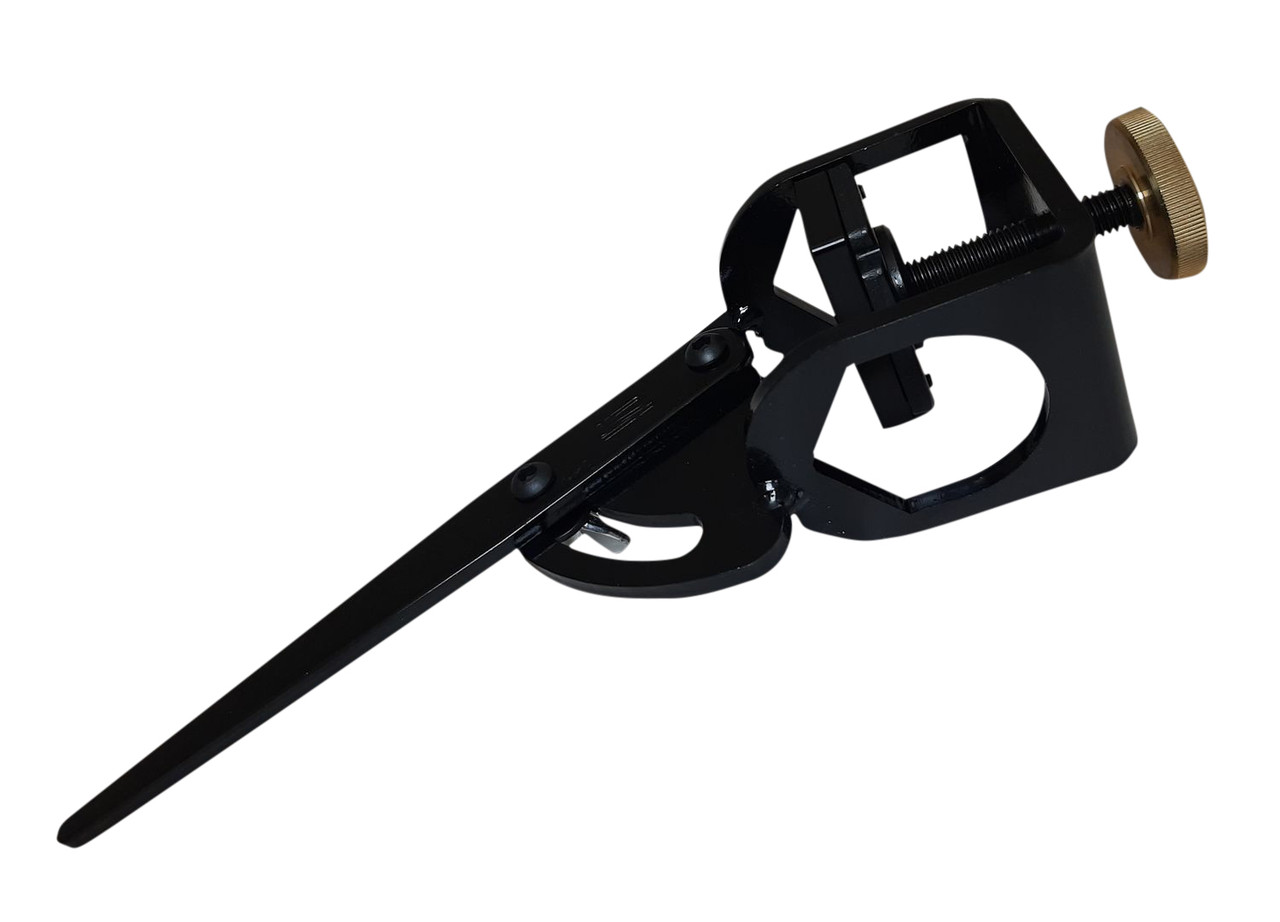
Credit: www.vmtw.com
Advanced Woodworking Lathe Projects
Your woodworking lathe is a versatile tool that can create a wide range of projects, from simple bowls and pens to more intricate and advanced designs. If you’re ready to take your woodworking skills to the next level, it’s time to explore some advanced woodworking lathe projects. These projects will challenge your creativity and precision, allowing you to create stunning pieces that will impress others and add a touch of sophistication to your workshop.
Segmented Bowls
Segmented bowls are a popular project for advanced woodworkers who want to push the boundaries of design and craftsmanship. These bowls are made up of multiple segments of wood that are carefully arranged and glued together to create a stunning pattern. The possibilities are endless when it comes to segmented bowls – you can experiment with different shapes, sizes, and wood species to create unique and eye-catching designs.
Hollow Vessels
Hollow vessels are another advanced woodworking lathe project that requires skill and precision. These vessels are turned from a single block of wood and hollowed out to create a functional container. The challenge lies in achieving the perfect wall thickness and creating a smooth and seamless transition between the exterior and interior of the vessel. Hollow vessels are not only practical but also make for beautiful decorative pieces that can be displayed in your home or gifted to others.
Lidded Boxes
Lidded boxes are a great project for intermediate to advanced woodworkers who want to create functional and visually appealing pieces. These boxes can be used to store small items or simply displayed as a decorative accessory. The key to a successful lidded box project is precision – you need to carefully turn the body of the box and create a snug-fitting lid that sits perfectly in place. Lidded boxes can be embellished with various techniques such as carving, staining, or inlay work to further enhance their beauty.
Decorative Items
In addition to functional projects, your woodworking lathe can also be used to create a wide range of decorative items that can add charm and elegance to any space. From candle holders and vases to spinning tops and ornaments, there are endless possibilities when it comes to decorative lathe projects. These projects allow you to experiment with different shapes, sizes, and wood species to create unique and eye-catching designs that showcase your creativity and woodworking skills.
No matter which advanced woodworking lathe project you choose to tackle, it’s important to approach it with patience and attention to detail. Take the time to carefully plan and prepare your materials, and always remember to prioritize safety in your workshop. With the right tools, techniques, and a little bit of practice, you’ll soon be creating stunning pieces that will be treasured for years to come.
Tips And Tricks For Better Woodworking Lathe Results
When it comes to woodworking lathe, achieving excellent results depends on more than just having the right equipment. It also involves certain tips and tricks that can enhance your woodworking experience and the quality of your finished projects. In this section, we will discuss some actionable tips to help you get the most out of your woodworking lathe.
Choose The Right Wood
One of the critical factors in achieving good results on a woodworking lathe is selecting the right type of wood. Different woods have varying characteristics, including grain patterns, hardness, and density. By choosing the appropriate wood for your project, you can ensure smoother turning and better overall results.
Sharpen Tools Regularly
Sharp tools are essential for achieving clean and precise cuts on a lathe. Dull tools not only make the turning process more challenging but can also lead to tear-out and rough finishes. Regularly sharpening your lathe tools is crucial for maintaining their effectiveness. Invest in a good quality sharpening system or learn how to sharpen your tools by hand for optimal results.
Experiment With Different Turning Techniques
The woodworking lathe offers a range of turning techniques that can bring variety and uniqueness to your projects. By experimenting with different techniques such as spindle turning, bowl turning, and faceplate turning, you can expand your skills and create interesting designs. Trying new techniques also keeps your woodworking journey exciting and helps you discover your personal style.
Take Your Time And Work Methodically
Woodturning is an art that requires patience and attention to detail. Rushing through the process can result in mistakes and compromised quality. To achieve better lathe results, take your time and work methodically. Carefully plan each cut, focus on proper tool positioning, and maintain a steady hand. Slow and deliberate actions allow you to create smooth and symmetrical shapes, showcasing your craftsmanship.
Learn From Experienced Turners
Learning from experienced turners can significantly improve your woodworking lathe skills. Seek out magazines, books, online tutorials, and local woodturning clubs to gather knowledge and gain inspiration. Engaging with a community of experienced turners not only provides valuable advice but also exposes you to different perspectives and techniques. Learning from others’ experiences allows you to avoid common pitfalls and grow as a woodturner.
Enjoy The Process
Above all, remember to enjoy the process of woodworking lathe. It is a creative and fulfilling hobby that allows you to transform a simple piece of wood into a work of art. Embrace the challenge, appreciate the beauty of the grain, and let your imagination guide you. By enjoying the process, you not only enhance your woodworking lathe results but also find immense satisfaction in your craftsmanship.
Frequently Asked Questions On Choosing The Best Woodworking Lathe For Your Shop
What Is A Woodworking Lathe And How Does It Work?
A woodworking lathe is a machine used to shape wood by rotating it along its axis. It works by holding the wood securely while a cutting tool is applied to shape and carve the wood into desired forms such as bowls, spindles, and furniture legs.
What Factors Should I Consider When Choosing A Woodworking Lathe?
When choosing a woodworking lathe, consider the spindle size, motor power, swing capacity, and speed control options. Also, think about the types of projects you plan to work on and your skill level. It’s important to choose a lathe that meets your specific needs and budget.
What Are The Different Types Of Woodworking Lathes Available In The Market?
There are three main types of woodworking lathes: benchtop lathes, midi lathes, and full-size lathes. Benchtop lathes are compact and portable, ideal for small projects. Midi lathes are slightly larger, offering more versatility. Full-size lathes are more powerful and suitable for professional woodworking projects.
Can I Use A Woodworking Lathe For Metalworking Projects?
Woodworking lathes are primarily designed for working with wood. However, some lathes can be modified or equipped with additional accessories to handle metalworking tasks. It’s important to ensure the lathe you choose has the necessary features and accessories for metalworking if that’s your intended use.
Conclusion
To find the best woodworking lathe for your shop, consider your specific needs and budget. Pay attention to factors like the lathe’s power, size, and versatility. Read customer reviews and do thorough research to make an informed decision. Remember, investing in a quality lathe will enhance your woodworking projects and ensure precision and accuracy.
So, take your time, compare options, and choose a lathe that suits you perfectly. Happy woodworking!